
Three, erotismo en una isla desierta
¿Qué te llevarías a una isla desierta? Es la típica pregunta que muchas veces se nos hace para comprobar qué es lo que más valoramos en nuestras vidas. Muchos afirman que, por supuesto, se llevarían a sus personas más queridas, aunque también sería ponerlas en una situación un poco complicada, de manera algo egoísta. Si la opción de llevar a otras personas no existiera, las alternativas se limitarían a objetos que valoremos mucho. Los más pragmáticos defienden que se llevarían un arma que les permitiera cazar, para no morir de hambre. Los que prefieren cultivar el espíritu aseguran que serían más felices con un libro. Cada cual tiene su respuesta, pero es cierto que, salvo en las películas y los libros, pocas personas han tenido que enfrentarse a esa disyuntiva. Hoy por hoy, quedar encallado en una isla totalmente desierta, sin que nadie nos pueda venir a rescatar, es algo poco probable.
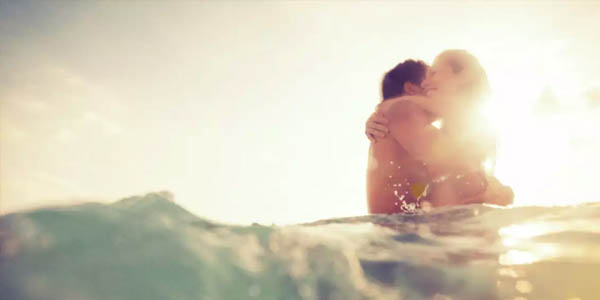
Sin embargo, la literatura y el cine sí que han aprovechado esta temática, en producciones que van desde las aventuras al drama, pasando por la ciencia ficción. Muy reconocida es la serie Perdidos, que tuvo una gran acogida en los 2000 gracias a sus enrevesadas tramas y a su complejidad. Un poco anterior es Náufrago, una espléndida película en la que Tom Hanks interpreta a un hombre perdido en una isla desierta, que lucha por mantener la cordura. Aquellas películas y series abrieron el camino hacia una temática que no había estado tan explotada desde hacía años. Por eso no es de extrañar que durante los 2000 se estrenaran muchos filmes de este tipo. Uno de los más controvertidos fue Three, también conocido como Survival Island, una historia en la que el erotismo y el sexo tenían una parte muy importante. Y es que la película contenía escenas que algunos llegaron a catalogar de pornográficas, protagonizadas por la exuberante Kelly Brook, una modelo metida a actriz para esta producción. Three pasó sin pena ni gloria por los cines, pero fue luego, en el mercado doméstico, cuando consiguió cierta fama, especialmente debida a la aparición de esta modelo británica desnuda en varias de sus escenas.